
Measures in progress
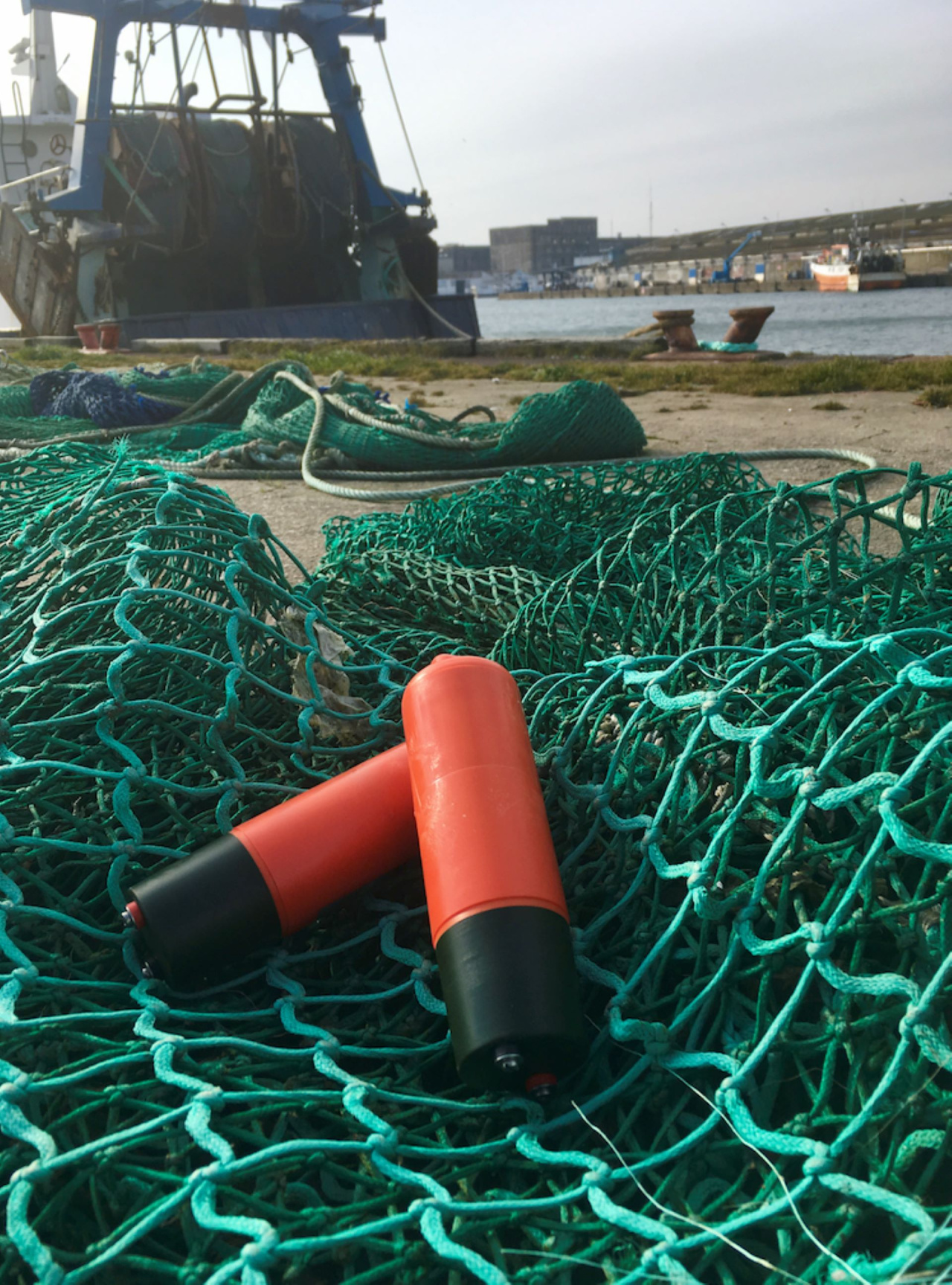
Acoustic Pingers
Content
What are acoustic pingers?
Acoustic pingers are type of acoustic deterrent device that emit sound pulses underwater. These sounds are designed to alert marine mammals, such as dolphins and porpoises, to the presence of fishing gear so they can avoid entanglement. The sound frequencies used are typically within the hearing range of these species but are not disruptive to fish.
How Do They Work?
When attached to fishing nets, pingers emit intermittent sounds that create an acoustic "barrier". Marine mammals detect these signals and are deterred from approaching the gear.
Why Are They Important?
Bycatch, the unintentional capture of non-target species in fishing operations, is a major threat to marine mammals in some fisheries within European waters. Species like the harbour porpoise are particularly vulnerable. Research has shown significant reductions in bycatch rates when the appropriate pingers are properly deployed. Pingers can, therefore, be an important tool in helping to protect biodiversity and support sustainable fishing practices.
------------------------------------------------------------------------------------
Make a first discovery with this link, then vote below
https://www.cleancatchuk.com/mitigation/pinger/
------------------------------------------------------------------------------------
Find Out More with the document link : Read the resources in our library to learn more about acoustic pingers and where they have proved to be effective.
Document link :
Publisher
- Scientist Marine Beacon
Key words
Discussion
on the above topic and documents.
- You must be logged in to perform the action : Log in
No ongoing discussion.
Vote
- You must be logged in to perform this action: Log in.
-
Mixed :
100% 1 vote